
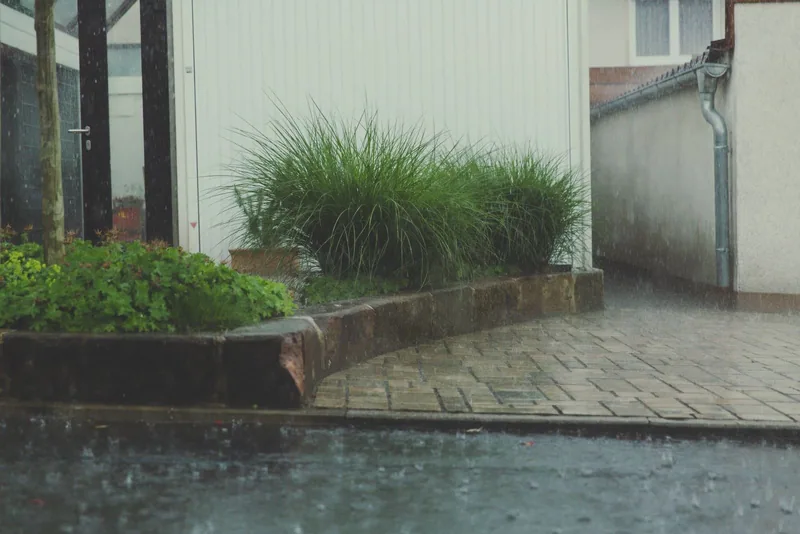
Chicago-area gardeners can choose native rain-garden plants by matching each plant to the moisture and light in its part of the basin. Begin by marking the low center, the slope where the water level rises and falls, and the rim. Revisit the boundary after rain. An edge near the inlet can stay wetter than an edge on the opposite side. Chicago Botanic Garden rain garden guidance
Place plants by actual moisture
| Planting zone | Chicago-area plants to compare | Before you buy |
|---|---|---|
| Sunny low center that gets wet and then drains | Swamp milkweed or northern blue flag iris | Check the light at the bottom. Walk the garden after a storm and again after it drains. |
| Sunny shoulder that dries sooner | Wild bergamot or purple coneflower, depending on moisture | Move candidates that prefer better drainage higher up if water persists in the planned spot. |
| Moist, shaded area | Fox sedge or palm sedge | Check whether summer leaf cover leaves the proposed bed shaded. Compare the location to the plants’ site preferences. |
Illinois Extension rain-garden plant groupings, Chicago Botanic Garden plants for sunny and shady sites
Leave space for inlet and overflow
Put a flag where runoff arrives and another where excess water exits. Keep those routes visible when you lay out the plants. Compare mature plant width before placing the first pots, and account for watering during establishment if the weather turns dry. Persistent pooling calls for another check of the soil and the drainage design before planting. Illinois Extension on rain-garden infiltration, Chicago Botanic Garden planting and care