Why urban tree planting sites differ from woodland soils
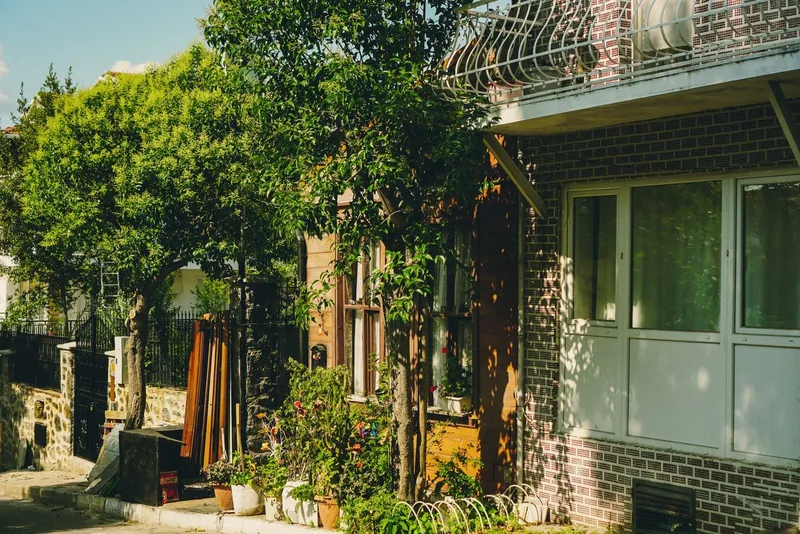
Chicago-area residents planning a yard or street tree can screen the spot by looking at where roots can spread, where water goes and how the ground is used.
 Gardenesia
Chicago-area residents planning a yard or street tree can screen the spot by looking at where roots can spread, where water goes and how the ground is used.
Chicago-area gardeners can use a USDA soil map to identify which drainage and soil conditions to check in a yard before planning a bed or rain garden.
Cook County gardeners can use the weekly U.S. Drought Monitor to see when regional dryness is worth a closer look, then check soil near the roots before…
Chicago-area homeowners can refresh a tree’s mulch by measuring the layer that is already there and restoring an even ring clear of the trunk.
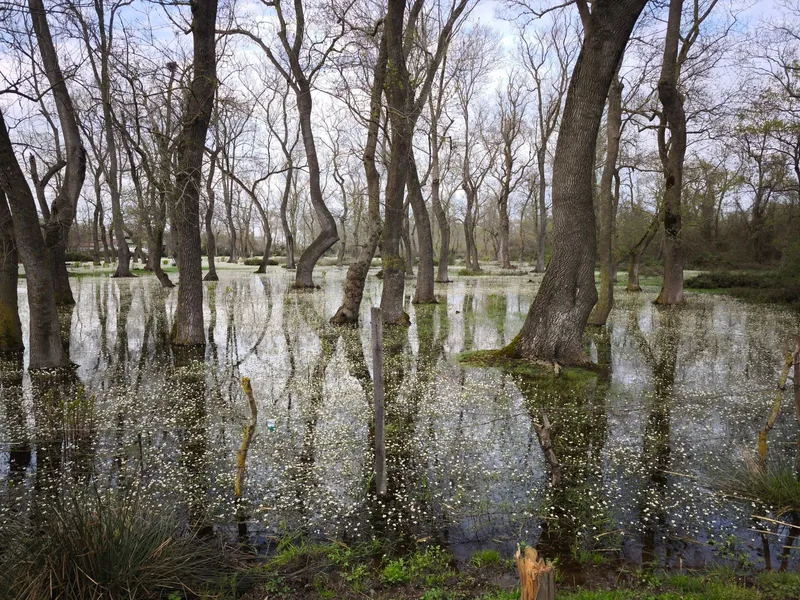
Chicago-area homeowners can consider swamp white oak for a sunny site with moist soil and occasional flooding.
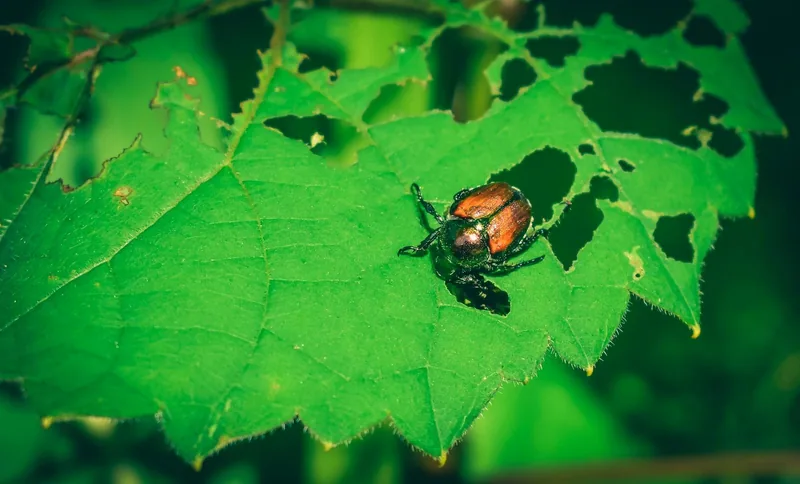
Chicago-area gardeners who find lace-like damage on roses, grapes or other plants can check for Japanese beetles before choosing how to respond.
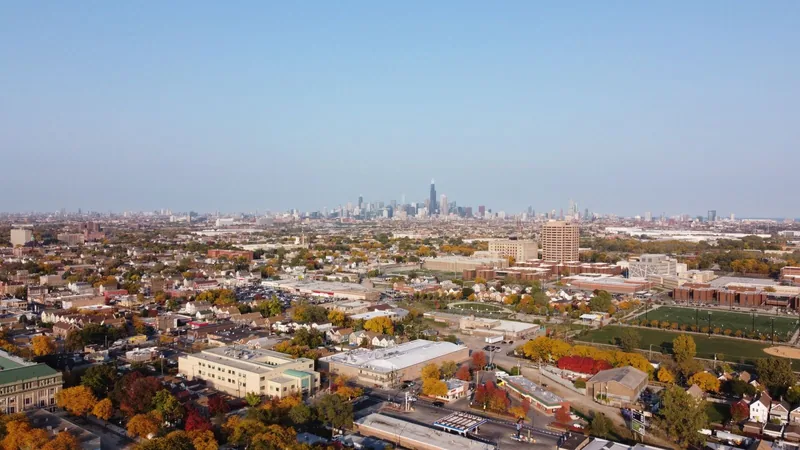
Chicago-area residents can use the 2020 Chicago Region Tree Census to see how much ground was covered by trees and shrubs and how that cover changed between…
Chicago-area pool owners can keep walkways, gates and equipment reachable by marking those clearances before drawing mature plants on the plan.
Chicago-area gardeners can choose native rain-garden plants by matching each plant to the moisture and light in its part of the basin.
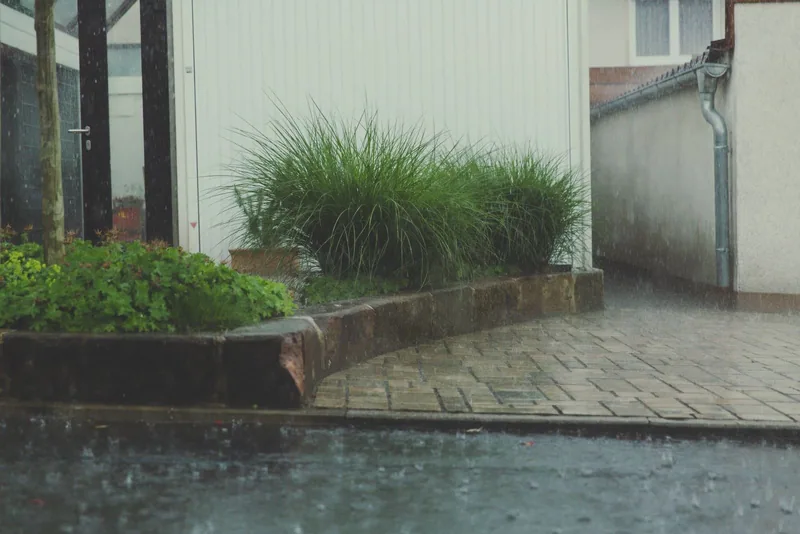
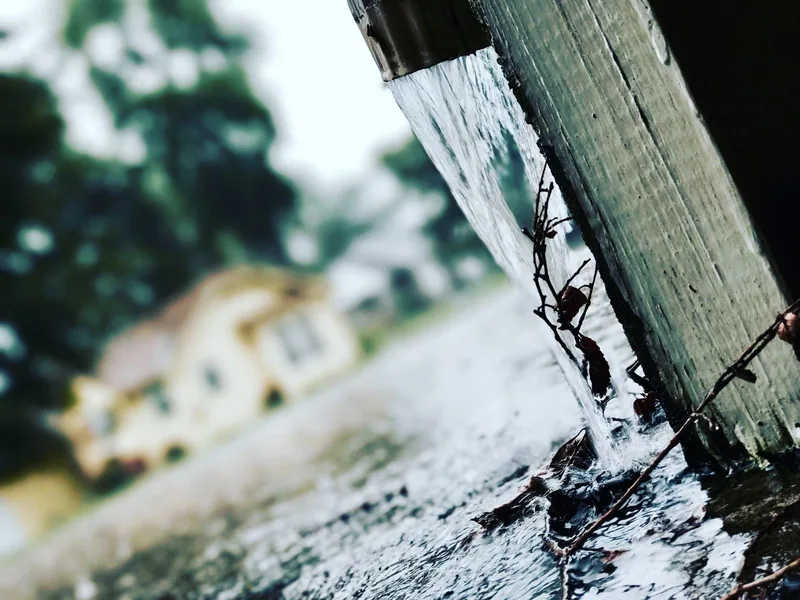
Chicago-area homeowners can sketch where roof and yard runoff enters, pools and leaves the property before changing a planting bed, path or patio.
Chicago-area gardeners can map direct sun and shade before placing a bed, choosing trees or deciding where to sit outside.
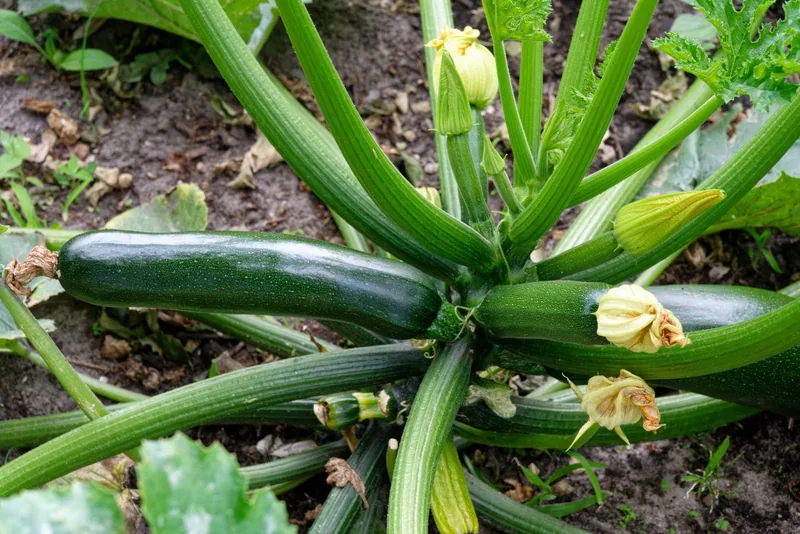
Chicago-area gardeners checking a suddenly wilted zucchini plant for squash vine borer can start with the base and lower stem for a small opening and…
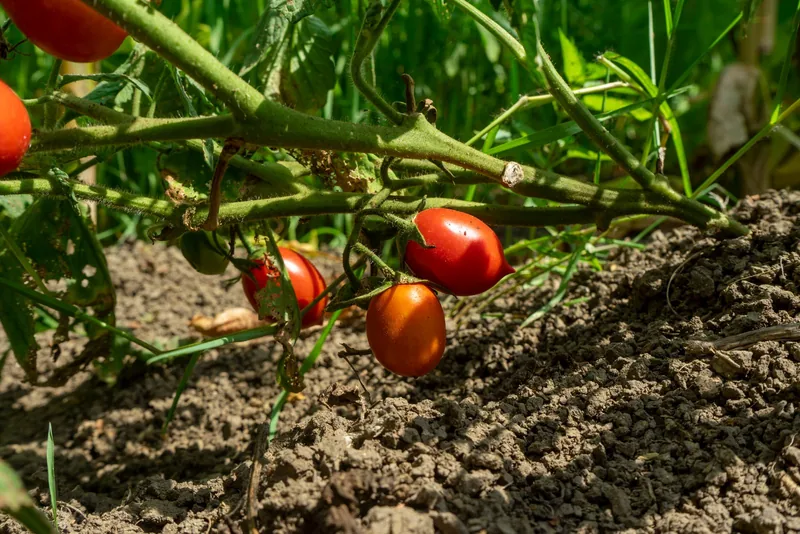
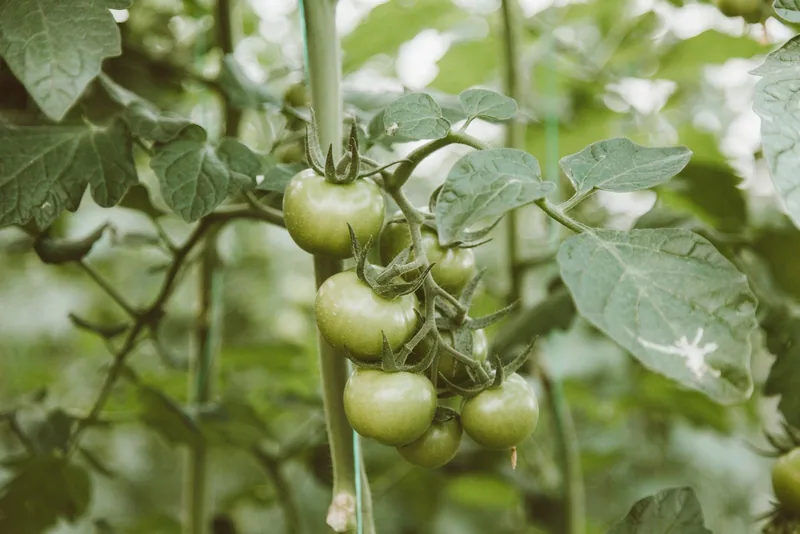
Chicago-area gardeners can transplant tomatoes outdoors once the soil has warmed and your location’s freeze risk has passed.
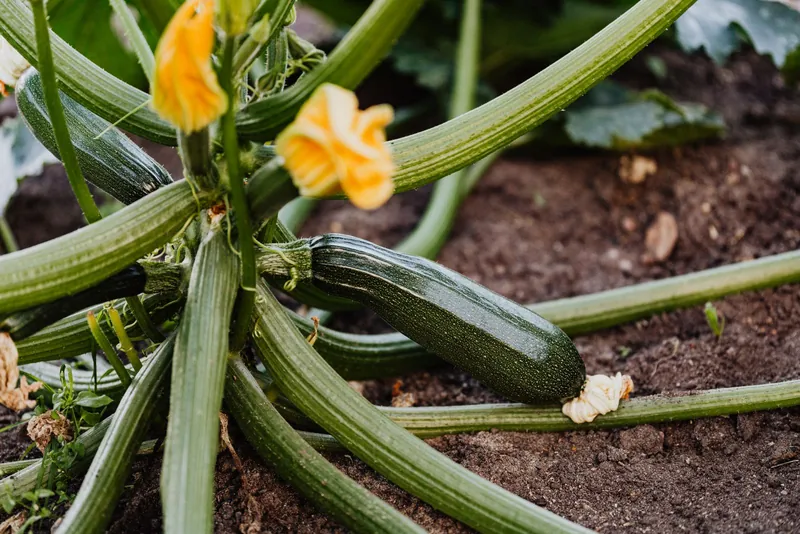
Northern Illinois gardeners can sow summer squash after frost danger passes.
Chicago-area tomato growers can check older leaves near the soil for rings, pale centers and tiny dark dots to narrow down the cause of leaf spots.
Chicago-area gardeners can compare the shape of leaf spots and check both leaf surfaces to tell powdery mildew from possible downy mildew on squash and…
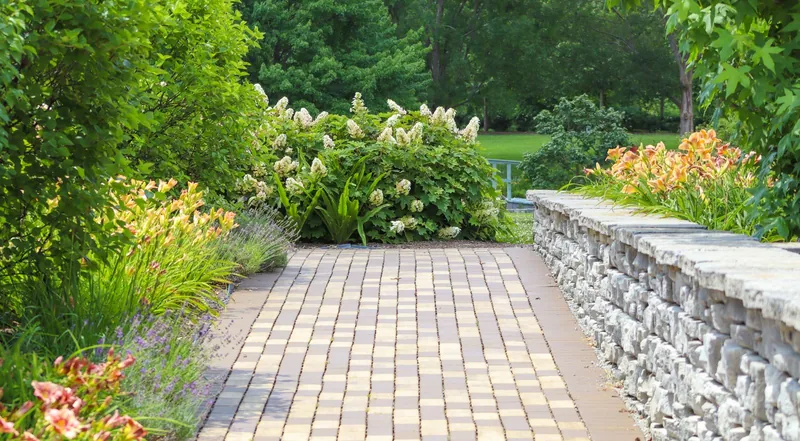
Chicago-area homeowners can choose a garden path surface by checking how they use the whole route, how water leaves it and where they will put snow.
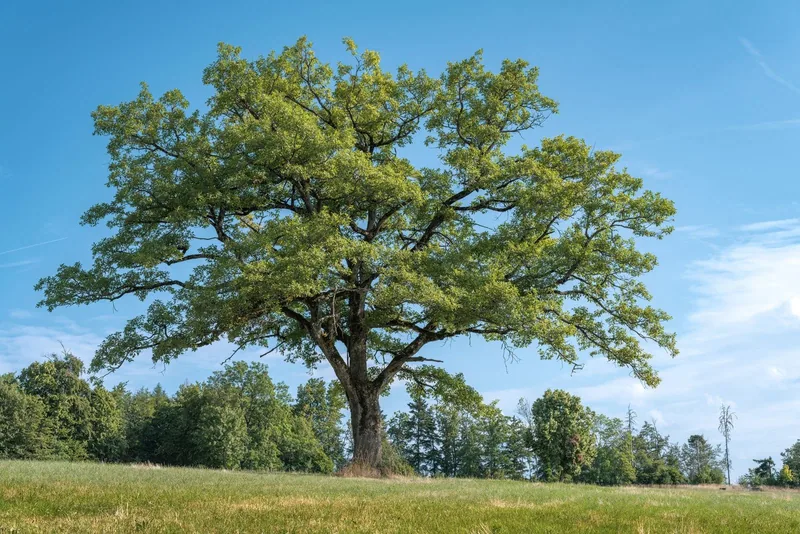
Chicago-area homeowners choosing a large shade tree can compare bur oak and swamp white oak by the amount of room available and what happens to water in the…
Northern Illinois gardeners can keep flowers available across more of the growing season by matching each plant to the bed’s light and moisture, then combining…
Chicago-area homeowners can choose a mowing height by identifying the grass, checking its recommended range and mowing before a single cut would remove more…
Chicago-area gardeners can use Illinois freeze maps to pick a spring planting window, then check the local overnight forecast and the bed before moving…
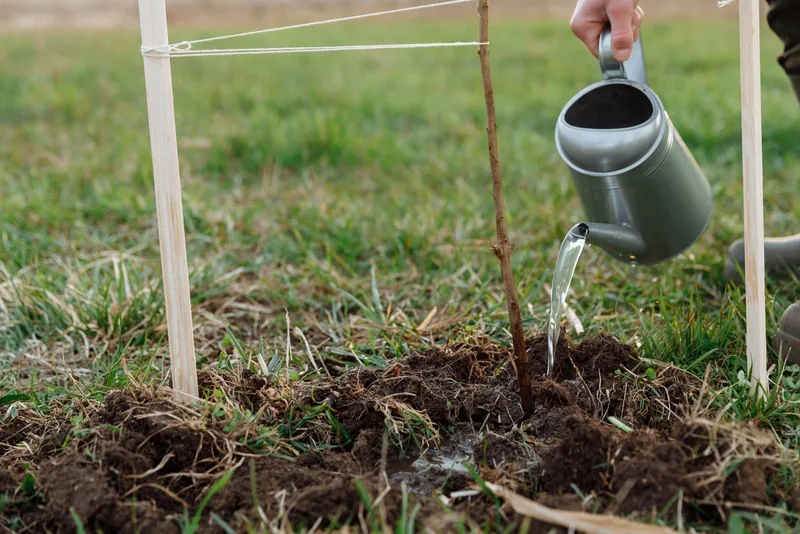
Chicago-area homeowners caring for a newly planted tree can use two soil checks to decide whether it needs water.
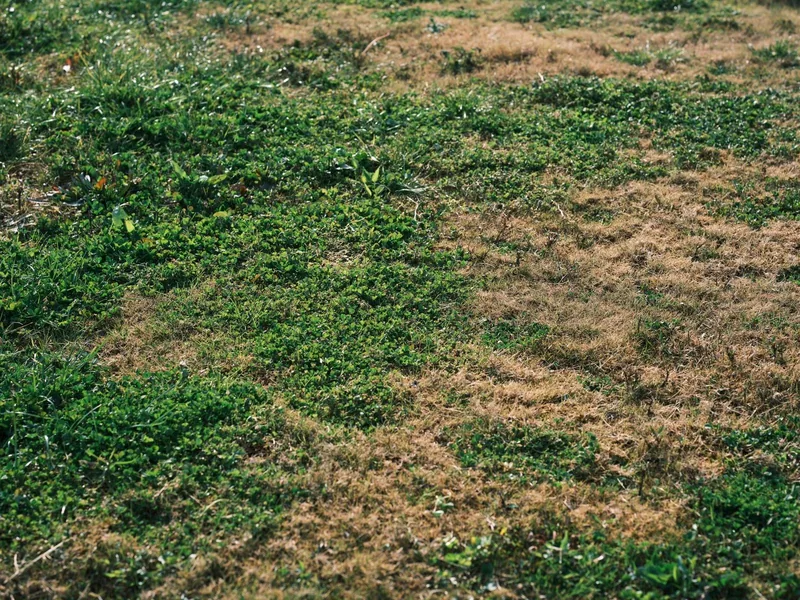
Chicago-area homeowners with a brown lawn patch can lift a small section at its edge to see whether white grubs are feeding in the root zone.
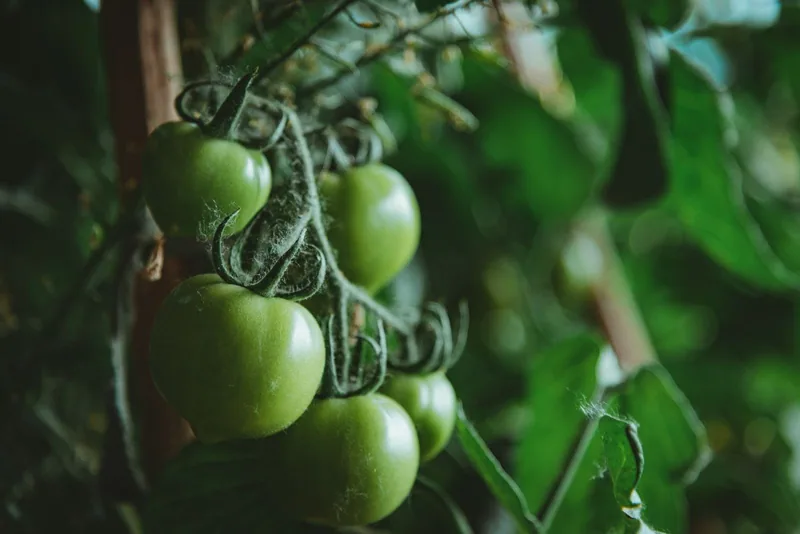
Chicago-area gardeners with a dark, leathery patch at the flower end of a tomato should check watering and soil before adding calcium.