
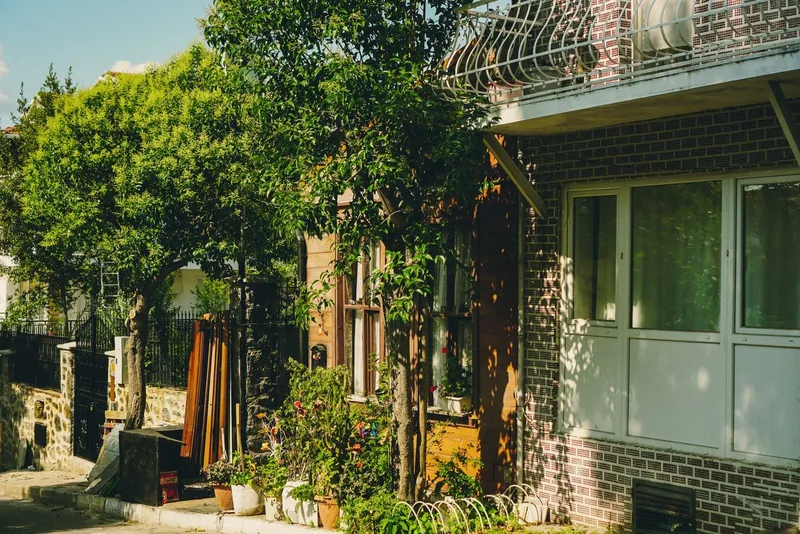
Chicago-area residents planning a yard or street tree can screen the spot by looking at where roots can spread, where water goes and how the ground is used. Streets and built yards can combine pavement, compacted soil, runoff and limited rooting room within a single block. The tree that can fit in the opening on planting day still needs room and workable soil as it grows. Chicago Region Tree Census, urban stressors
Look beyond the opening in the pavement
Draw the planting opening and mark the adjacent lawn or bed, curb, driveway and walk. Observe where runoff enters and where it leaves after a storm. Mark where cars or equipment regularly cross open soil. Repeated loading can compact the soil. If the only open ground is narrow, routinely driven over or slated for paving, consider a spot with more connected soil before selecting the tree. Morton Arboretum construction and root protection, Chicago Region Tree Census, urban stressors
Use observations to narrow down the species
A bed that takes runoff and drains can suit a different tree from a raised strip that dries quickly. Note sun and space for the mature crown along with your soil observations. Compare two plausible locations before choosing a species. Once planted, check moisture in both the original root ball and adjacent soil to see how the site behaves during establishment. Morton Arboretum choosing and planting guidance, Morton Arboretum watering guidance