
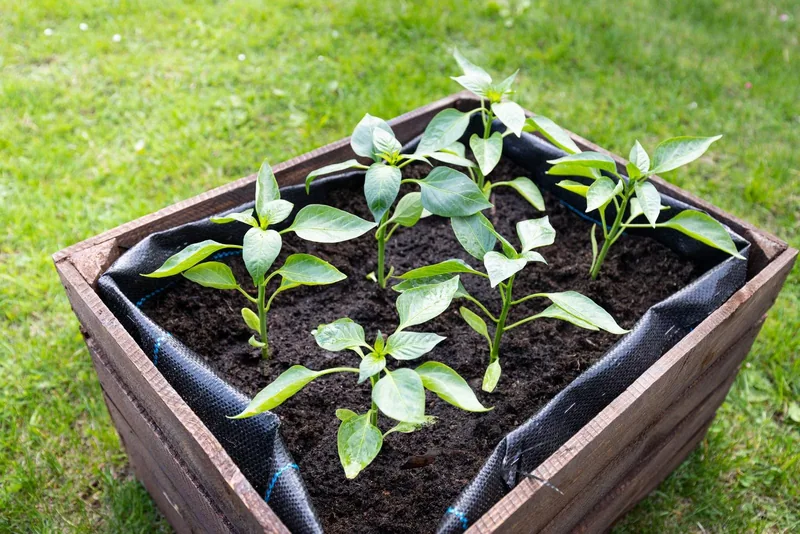
Chicago-area gardeners can use Illinois freeze maps to pick a spring planting window, then check the local overnight forecast and the bed before moving frost-sensitive plants outdoors. Start with the map for your part of the region and the growing directions for the crop. Illinois freeze maps, Illinois vegetable planting guide
| Question | What to look up | What to do with it |
|---|---|---|
| When should I start planning? | The map of median last spring freeze dates at 32°F for your area. | Set a tentative planting window. Check the later end of the historical range if replacing the transplants would be costly. |
| Is this a good night to leave plants outdoors? | Hourly air temperatures through the following morning and any current frost or freeze alert for your location. | Recheck the forecast close to planting. If the night looks marginal, keep tender starts indoors or protect plants already in the ground. |
| Will the bed be ready? | The crop’s soil and transplant guidance, plus conditions in the actual bed. | Wait if the crop requires warm soil and the planting area is still cold. |
Read the map as a range of dates
Illinois’s maps use observations from 1991–2020. The median marks the middle of the historical dates. The percentile maps show earlier and later outcomes from the same period. Start with 32°F for the spring freeze comparison and use the separate 28°F map when you need to compare hard freezes. Those two temperatures are thresholds for the mapped observations. Each crop has its own growing requirements. Median spring freeze map, Later end of the spring freeze range, Illinois vegetable planting guide
Check the hours that matter
Open the National Weather Service forecast for your locality and check the overnight hours through early morning. If a forecast is embedded on a garden page, check its issue time and the date of the hours you’re reading. The NWS forecast service provides time-sensitive forecasts and alerts. National Weather Service, NWS forecast and alert data
Compare that forecast with the bed. On clear, calm nights, temperatures near the ground can dip below the reported air temperature. An exposed patch of lawn and a bed beside a heated building can have different frost conditions. Use extra care with a site that has frosted before while the surrounding area stayed clear. Illinois State Climatologist, local frost conditions
Make the decision for the crop
Tomatoes are a useful example. Illinois Extension recommends transplanting after danger of frost has passed and the soil has warmed. If the forecast shows a cold night or the soil is still cold, leave the transplants in a protected spot and check again. Use the planting guide for each crop before making the same call for the rest of the vegetable bed. Illinois Extension tomato guide, Illinois vegetable planting guide