
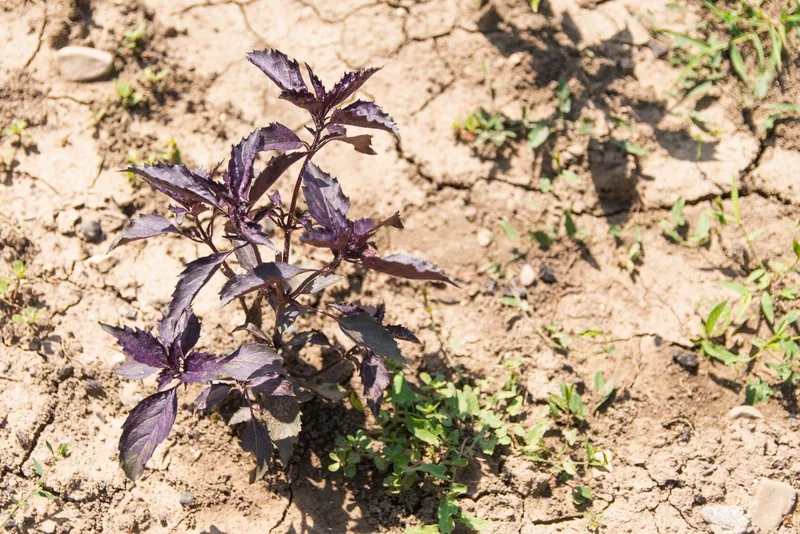
Cook County gardeners can use the weekly U.S. Drought Monitor to see when regional dryness is worth a closer look, then check soil near the roots before deciding whether to water. Start with the most recent county map date and visit the beds or newly planted trees you’re responsible for. U.S. Drought Monitor, Morton Arboretum watering guide
Read the map date and statistic together
The map depicts recent conditions and is updated weekly. Its classes run from abnormally dry conditions (D0) through exceptional drought (D4), with drought itself starting at D1. A county percentage measures the share of the county’s area in the displayed category or threshold. Check the table heading. A single-category percentage counts only that category. A threshold total includes the more severe categories as well. If the table already shows a threshold total, use that number directly. Drought Monitor categories, Drought Monitor statistics explained
Check the plants before you water
- Start with recent plantings. For a new tree or shrub, check the root ball as well as the soil around it. Water needs can differ between them.
- Look below the dry surface. Check the soil where roots are growing. A recent rain or a dry-looking mulch surface offers only part of that picture.
- Base watering on the planting and its conditions. If it needs water, check local restrictions before irrigating. For a newly planted tree, cover the root ball and the surrounding soil as the roots establish.
The next weekly map helps you track the county’s direction. The next on-site check helps you decide whether a plant needs water again. Morton Arboretum watering guide, Cook County public data example