
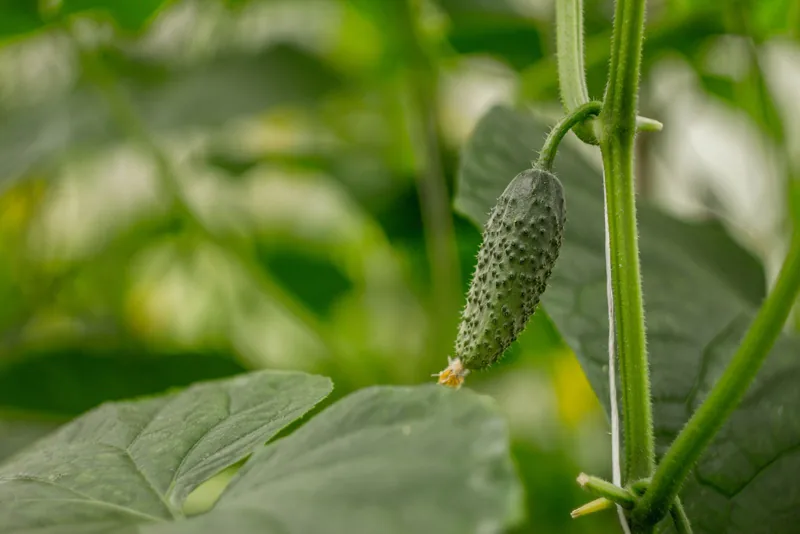
Chicago-area gardeners can compare the shape of leaf spots and check both leaf surfaces to tell powdery mildew from possible downy mildew on squash and cucumbers. White, diffuse patches suggest powdery mildew. Yellow patches with straight edges that follow leaf veins, especially on cucumber, call for a closer look underneath. University of Minnesota Extension powdery mildew guide, Downy mildew guide
| Check | Powdery mildew | Downy mildew |
|---|---|---|
| Upper leaf surface | White patches that can enlarge and join, often appearing on older leaves first | Pale green or yellow spots that may turn brown and join |
| Spot outline | Diffuse growth over the surface | Often angular and bounded by veins, especially on cucumber |
| Lower leaf surface | White patches can occur here too | Dark gray or purple-tinged growth may be visible in humid conditions |
Powdery mildew identification, Downy mildew and look-alikes
Decide what you can do from the clues
For likely powdery mildew, improve airflow by leaving room around plants and controlling nearby weeds. Consider a resistant variety the next time you plant. For angular spots with rapid leaf loss in wet weather, photograph both surfaces and seek help confirming downy mildew. Angular leaf spot can resemble it. If you find soft, water-soaked lesions or cottony growth on stems or fruit, check other causes such as white mold. Powdery mildew management, Downy mildew diagnosis, White mold identification